





How Smart Packaging Decisions Can Help Restaurants Navigate Today's Value-Conscious Market
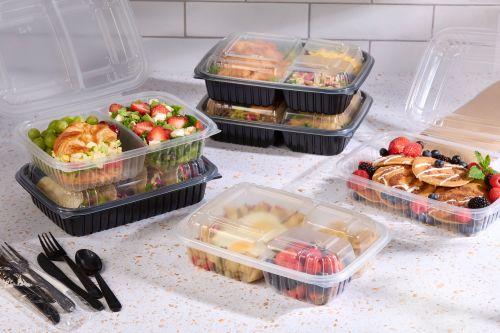
The US restaurant industry is facing a pivotal moment. Diners are more price-conscious than ever, scrutinizing every dollar spent on food away from home. A recent McKinsey analysis reveals that restaurant costs have climbed 6% while grocery prices rose just 3% over the same period—widening the gap and forcing consumers to question the value of dining out.
But here's what the data also shows: Diners aren't abandoning restaurants. They're changing how they engage with them. And food packaging decisions can play a crucial role in helping restaurants protect value perception, improve operational efficiency, and meet evolving consumer expectations.
The Value Perception Challenge
When consumers say dining out "wasn't worth the money," their top complaints are clear:
- Poor food quality (57% of diners)
- Small portion sizes (a major factor, especially at LSRs)
- Disappointing overall experience
How packaging helps: Right-sized, premium packaging communicates value before the first bite. Clear containers showcase portion size and food quality, while the right designs can help maintain temperature and freshness from kitchen to table. When food arrives looking as good as it tastes, value perception improves—even at the same price point.
Trading Down, Not Out
Most consumers who plan to cut restaurant spending aren't switching restaurants—they're ordering fewer items or using more promotions at their favorite spots. .
How packaging helps: Thoughtful packaging design supports portion flexibility without sacrificing presentation. Multi-compartment containers enable customizable meals at various price points. Sustainable packaging also adds perceived value, giving diners a reason to feel good about their purchase beyond the food itself.
Channel Shifts Demand Packaging Innovation
The way diners access restaurants is changing fast:
- Pickup orders grew 14% in frequency
- Delivery basket values fell 6%
- In-store dining remains stable with mid-single-digit growth
How packaging helps: Pickup-optimized packaging—stackable, easy to carry, leakproof—makes the experience seamless. For delivery, temperature-retaining materials protect food quality during longer transit times. Both channels benefit from packaging that travels well and presents beautifully, reinforcing that convenience doesn't mean compromise.
Late-Night Dining: An Emerging Growth Story
Late-night sales are climbing more than 10% annually, outpacing every other daypart. Meanwhile, breakfast—once the hottest growth area—is now lagging as consumers cut discretionary spending.
How packaging helps: Late-night diners need packaging that performs: containers that stay secure during late drives home, maintain heat for longer, and prevent spills. For breakfast operators experimenting with smaller portions and drinkable options, specialized packaging can enhance portability and convenience—critical for time-pressed morning consumers.
Health-Conscious Consumers Want to See What They're Getting
Salads are the cuisine category consumers are least willing to cut (only 18% plan to reduce spending). Health-focused dining is growing as consumers invest in wellness through food choices.
How packaging helps: Clear containers highlight fresh ingredients and vibrant colors. Sustainable, compostable packaging reinforces the health-forward positioning. Secure closures keep salads fresh and dressings separate, ensuring quality delivery that justifies premium pricing.
Gen Z Prioritizes Experience—Across All Channels
Gen Z spending at limited service restaurants has dropped 19 percentage points, but they're maintaining full-service restaurants spending. They want experiences worth sharing, whether dining in or taking out.
How packaging helps: Packaging is part of the experience. Branded, Instagram-worthy designs extend your restaurant's identity beyond your walls. Sustainable materials resonate with Gen Z values, while functional design ensures food looks as good at home as it does in your dining room.
Operational Efficiency Frees Resources for What Matters
Restaurants face intense cost pressure from labor, rent, and ingredients. AI and operational innovation are helping, but every efficiency gain matters.
How packaging helps: Standardized packaging solutions streamline kitchen operations and reduce decision fatigue. Easy-to-stock, space-efficient designs optimize storage. Compatible lid systems speed up packaging time during rush periods. These small efficiencies add up, freeing staff to focus on food quality and customer service.
Building Value Through Partnership
Packaging is a strategic tool that influences value perception, protects quality, and supports operational goals. The winners in 2026 will be operators who understand that every detail matters, from the food on the plate to how it reaches the customer.
We're here to partner with restaurants facing these challenges. Our sustainable packaging solutions are designed to enhance food presentation, maintain quality across channels, and communicate your commitment to both value and values.
Because when every order counts, packaging should work as hard as you do.