


A Seat at the Table: Gen Alpha Setting the Plate for Operator Strategy
Generation Alpha may be the youngest consumer group in the market, but their preferences are already shaping household food choices. Born between 2010 and 2024, this generation is growing up in a highly connected, visually driven world where food choices are shaped by convenience, exposure, and constant variety. While they are not the primary purchasers, they are influencing what families buy, prepare, and order.
For foodservice operators, this influence matters because food preferences are forming across more touchpoints and with greater involvement from younger ages than in previous generations.
Early Influence at the Family Table
According to Datassential, nearly three-quarters of parents involve their children in food-related decisions, including grocery selection, meal planning, and restaurant or takeout choices.
From store visits to digital ordering platforms to restaurant decisions, Gen Alpha is consistently exposed to a variety of food brands, eateries, and menus. Over time, this repetition builds familiarity and begins shaping early preference formation.
What stands out is how naturally this influence fits into everyday routines. As a result, food decisions are increasingly collaborative, with children playing an active role across both at-home and away-from-home occasions.
Curiosity Within Familiar Boundaries
Gen Alpha’s relationship with food is defined by a balance of curiosity and selectivity. According to Datassential, while many parents still describe their children as picky eaters (60%), most also report that these tastes evolve as they are repeatedly exposed to new flavors and formats.
This creates a gradual evolution in eating behavior rather than a sudden shift. Familiar meals continue to anchor most eating occasions, but families are increasingly introducing simplified global flavors and more international formats within those routines, from sushi and Korean BBQ to “swicy” combinations that blend sweet and spicy profiles.
The result is a generation that is not abandoning familiarity but expanding it over time. Food exploration happens in layers, where new flavors are introduced alongside established favorites, building confidence and openness while still relying on consistency in everyday meals.
Convenience Still Leads the Way
Even as curiosity grows, convenience remains the most consistent driver of food decisions across households. Datassential data shows that families continue to prioritize foods that fit into structured daily routines, including school schedules, extracurricular activities, and busy weekday demands.
Within that context, meals are increasingly built around flexibility rather than on fixed occasions. Food may shift from home-prepared meals to on-the-go consumption or foodservice, depending on what best fits the moment, reflecting a more fluid approach to eating throughout the day.
What remains consistent through these moments is the expectation that food should be easy to access, simple to consume, and reliably delivered. Convenience is no longer just a differentiator, but a baseline requirement shaping how and where food decisions are made.
The Role of Packaging in the Gen Alpha Experience
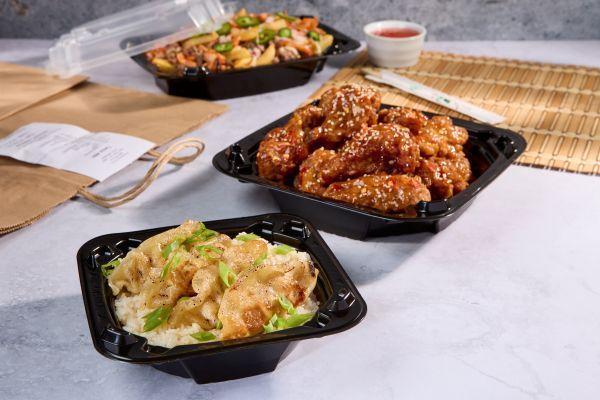
As Gen Alpha continues to influence food decisions, packaging is becoming a more visible part of how food is experienced, selected, and shared. Growing up in a digital-first environment, this generation responds strongly to packaging that is functional, visually engaging, and aligned with convenience-driven lifestyles, while also reflecting growing expectations around sustainability and interaction.
Use of sustainable materials
- Gen Alpha is increasingly influenced by eco-conscious values, with a stronger preference for recyclable and responsibly sourced materials. This is driving a strong interest in fiber-based packaging, such as molded fiber pulp bowls and paper clamshells, that communicates sustainability in a tangible way.
Clear, visually engaging presentation
- Transparent packaging, including clear clamshell containers, plays a key role in purchase decisions by showcasing food freshness, quality, and composition at the point of selection.
Convenient, on-the-go formats
- Portable and easy-to-handle packaging is aligned with busy routines and independent eating occasions. Grab n’ go containers and portioned formats, like snack trays or tubs, support flexibility across multiple meal moments.
Digitally connected, interactive elements
- QR-enabled packaging and designs that connect to digital content or storytelling reflect Gen Alpha’s comfort with interactive, media-driven experiences.
Functional design that supports customization
- Packaging that supports separation, multi-component meals, and customization continues to gain relevance as menus evolve toward more flexible, build-your-own formats.
Taken together, these expectations reinforce that packaging is no longer just a protective layer. In many cases, it is often the first touchpoint Gen Alpha encounters, shaping perception before the food is even tasted.
What This Means for Foodservice Operators
A Datassential study revealed that families are increasingly seeking food options that balance familiarity with flexibility, allowing customization and variation while maintaining consistency in everyday routines.
At the same time, visual appeal and ease of interaction are becoming more important in shaping perception before purchase. This means food experiences are no longer defined solely by taste or convenience, but by how well they align with expectations across multiple moments of use.
For operators, this requires a more connected approach, ensuring menu development, presentation, and usability work together to meet evolving expectations. Packaging plays a supporting role in this system, helping maintain quality, reinforcing presentation, and enabling ease of use across environments.
As these behaviors continue to develop, the opportunity for foodservice providers lies in designing food experiences that account for how early preferences form and how consistently they show up across everyday family decision-making.

