


Three Days at SPC Impact 2026: Driving the Conversation from Ambition to Execution
Each spring, the Sustainable Packaging Coalition's Impact conference brings industry leaders together to tackle the most pressing questions about sustainable packaging. This year’s theme was “Realistic Optimism.”
The phrase supports what we’ve noticed. The sustainability goals from the past decade remain relevant, but brand owners, regulators, recyclers, and producers now find themselves in what speakers described as the “messy middle.” This is where commitments turn into practical solutions, including infrastructure, packaging that performs, and end-of-life pathways that hold up to scrutiny.
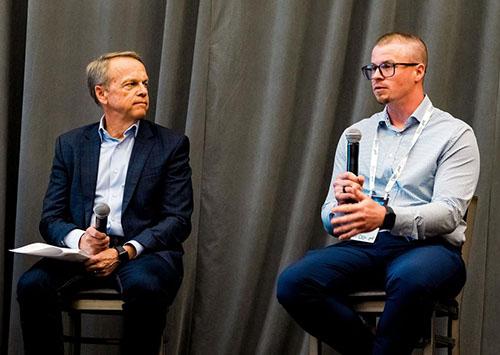
Dustin Ziegelman, Director of Sabert’s US Pulp & Paper Centers for Innovation, joined a panel on the future of molded fiber with industry experts. The questions on that stage are similar to what our customers ask daily, and we welcomed the opportunity to add Sabert’s perspective to the conversation.
Here are the key takeaways from our three days in Nashville:
The regulatory landscape is changing how packaging is labeled, designed, and sold
Many sessions highlighted new state-level Extended Producer Responsibility (EPR) policies that have moved from draft to implementation. California received significant attention, especially regarding legislation that tightens claims about recyclability and compostability. Some materials that were once labeled "recyclable" or "compostable" now require third-party validation.
While we can’t provide legal advice, we help our partners evaluate material choices, lifecycle data, and design decisions that work across regions and their operations.
Molded fiber is at a key crossroads
Molded fiber, once seen as recyclable, now needs to prove its claims. California's 2025 Material Characterization Study placed molded fiber alongside other paper formats that can no longer automatically carry a "Widely Recyclable" label.
Panelists agreed that the way forward lies in evidence, including testing data and industry-level coordination. Sabert is actively contributing to this effort. Our BPI-certified, PFAS-free Pulp Plus® and Pulp Ultra® solutions have also earned WMU SBS-E certification for repulpability and recyclability in conventional streams. For customers in areas without composting, this ensures molded fiber has a verified end-of-life pathway.
"Paperization" is speeding up
A strong theme surfaced in material innovation sessions. Brands are reconsidering packaging categories once dominated by plastic. Several case studies showcased fiber-based alternatives in unexpected areas, including pharmaceutical packaging.
This trend aligns with our Centers for Innovation focus, where our material scientists, engineers, and design teams explore breakthroughs in plastics, pulp, and paper in support of our purpose: reinventing food packaging to nourish and protect our world.
Collaboration will determine success
A key takeaway from the conference was that sustainability progress depends on collaboration among procurement, operations, and marketing. The best material isn’t effective if it can’t be specified, sourced, and shipped at scale. A workshop on the "grief of innovation" addressed the challenges of moving beyond established formats and practices.
This was perhaps the most candid point of the conference. Real change is uncomfortable, and ignoring this reality hasn’t benefited the industry.
Looking ahead
Realistic optimism suits 2026. The work is tougher than it was five years ago, and success will come through audits, lifecycle assessments, and operational choices rather than splashy marketing. We’ve learned that sustainable packaging is only valuable if it performs for the food, the operator, and the planet at end of life.
Read more about our sustainability efforts and progress in our 2025 Sustainability Report.

